Liangzhu Residence
DNA Architects transforms a Hangzhou house into open, light-filled spaces
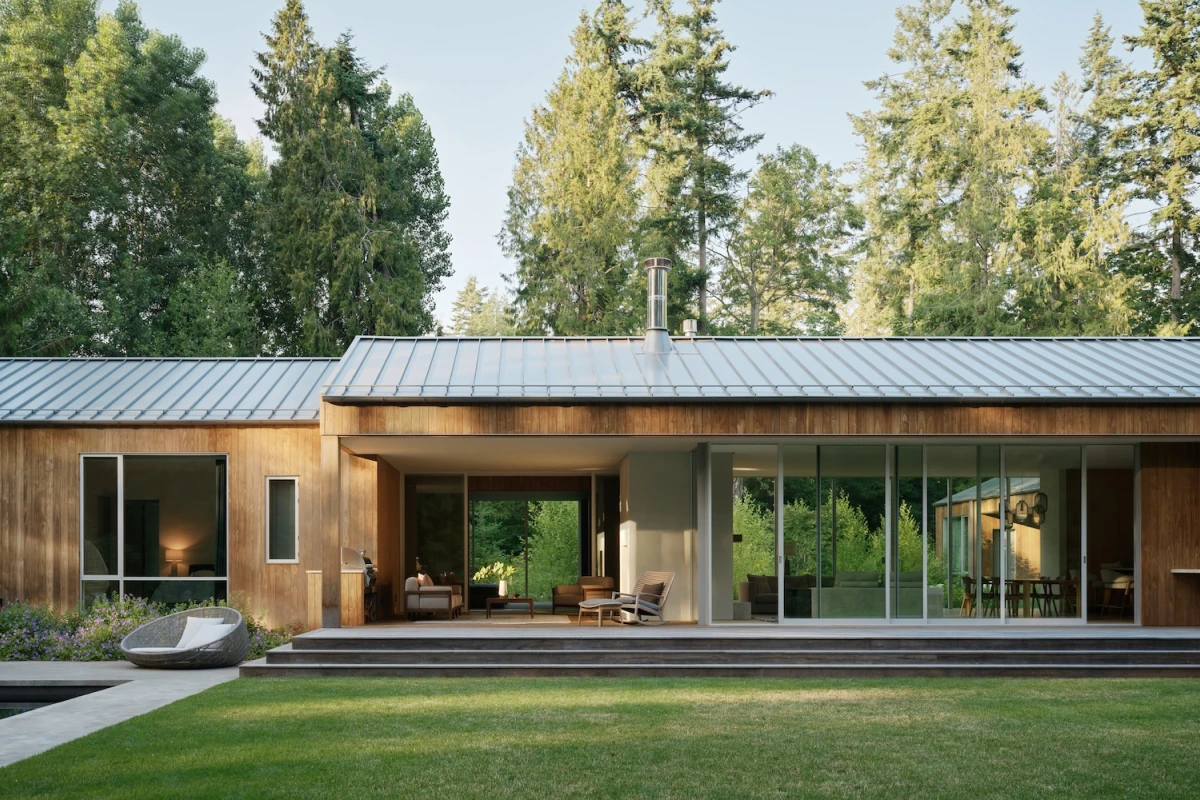
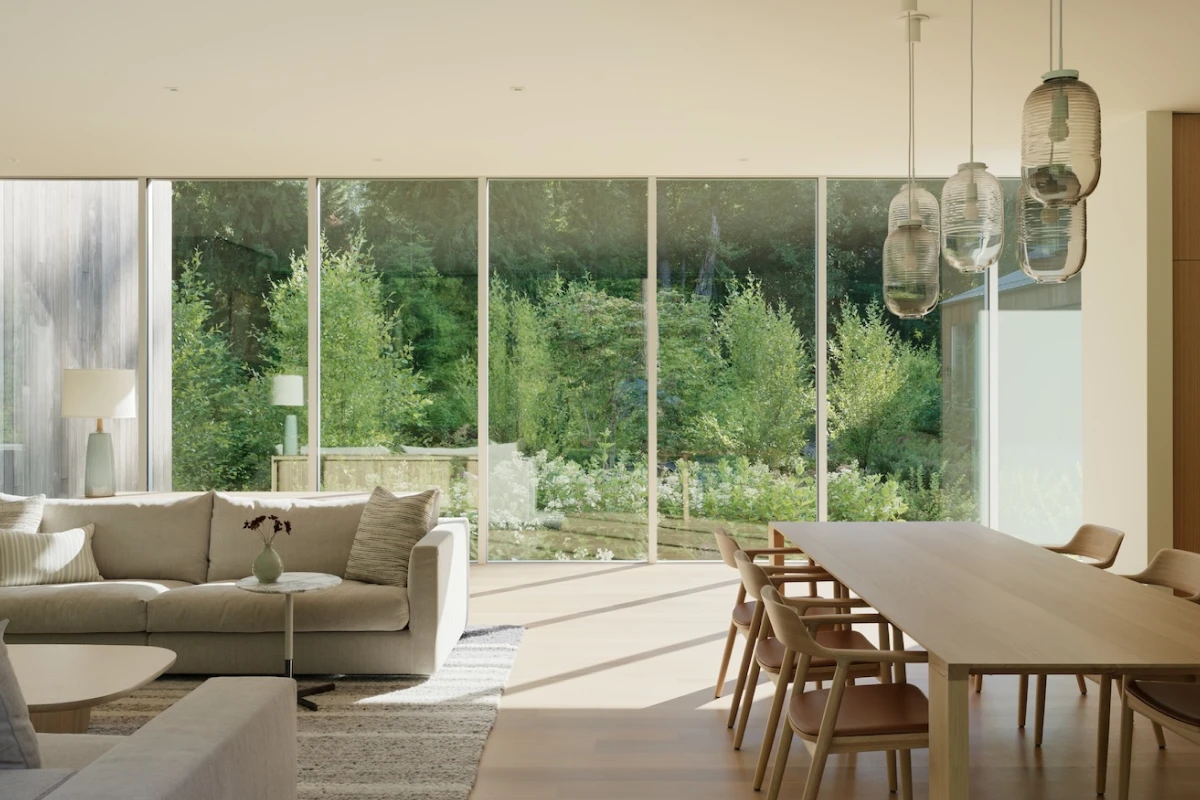
DNA Architects opens a Hangzhou house with minimal partitions and continuous sightlines. Interior spaces connect to the surrounding landscape through floor-to-ceiling glass.
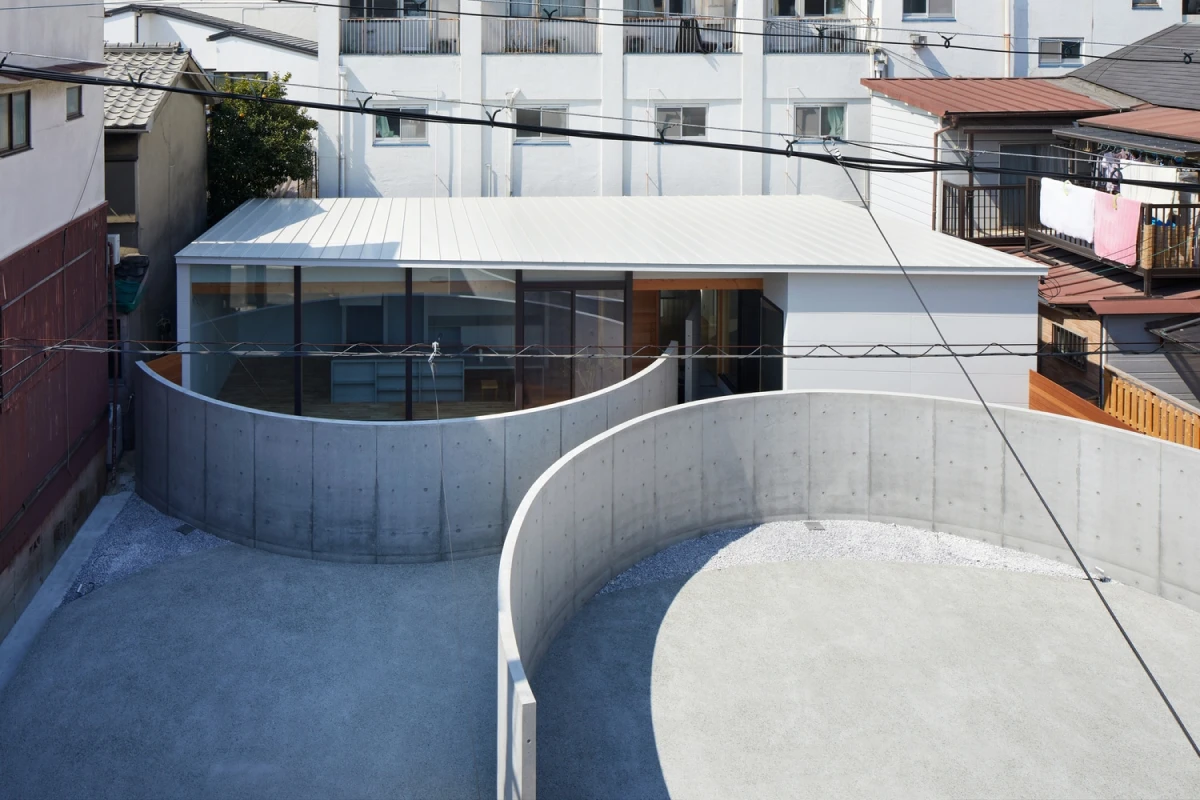
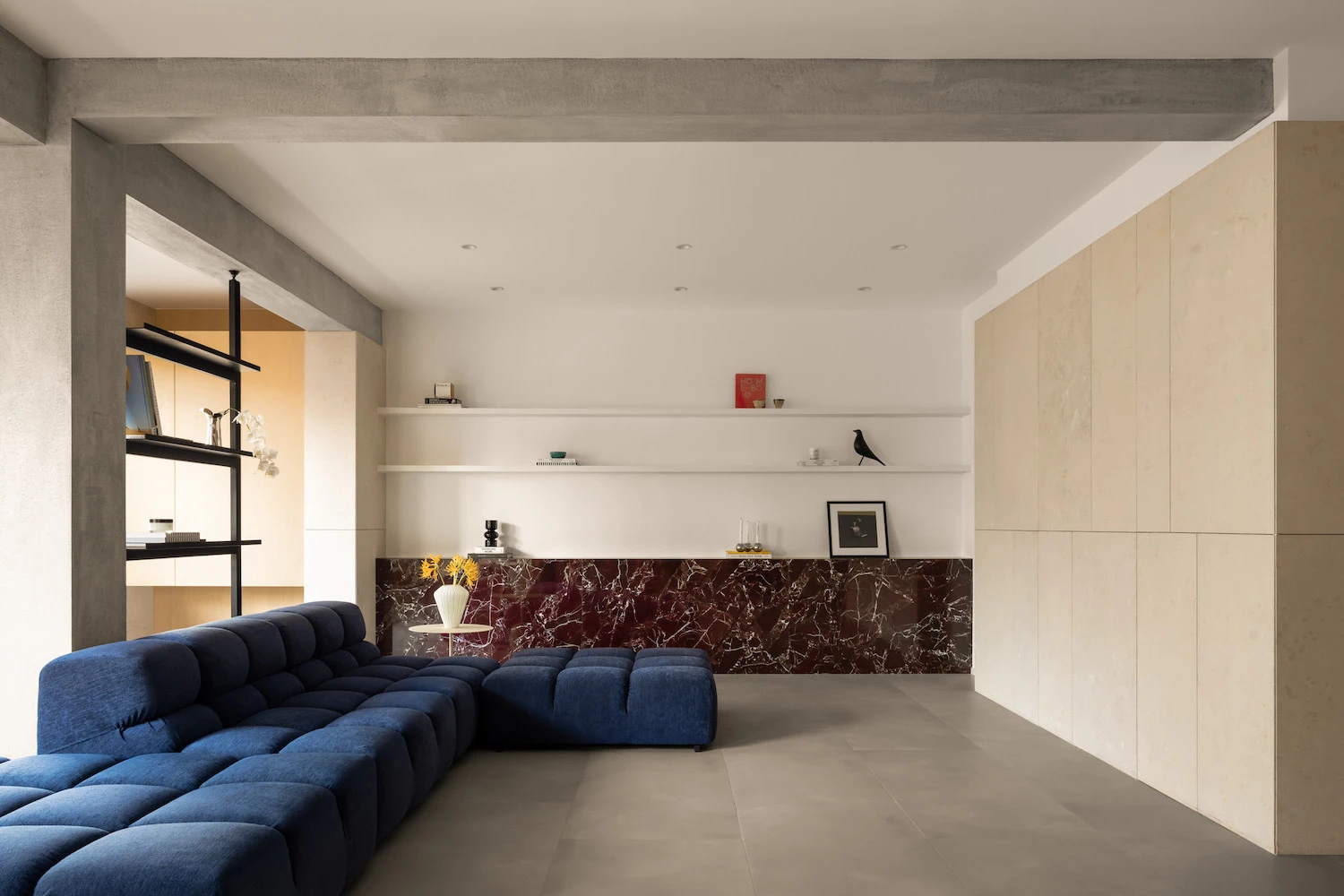
DNA Architects redesigned a house in Liangzhu, a historic district in Hangzhou, China. The project involved removing most of the existing interior to create new spatial relationships.
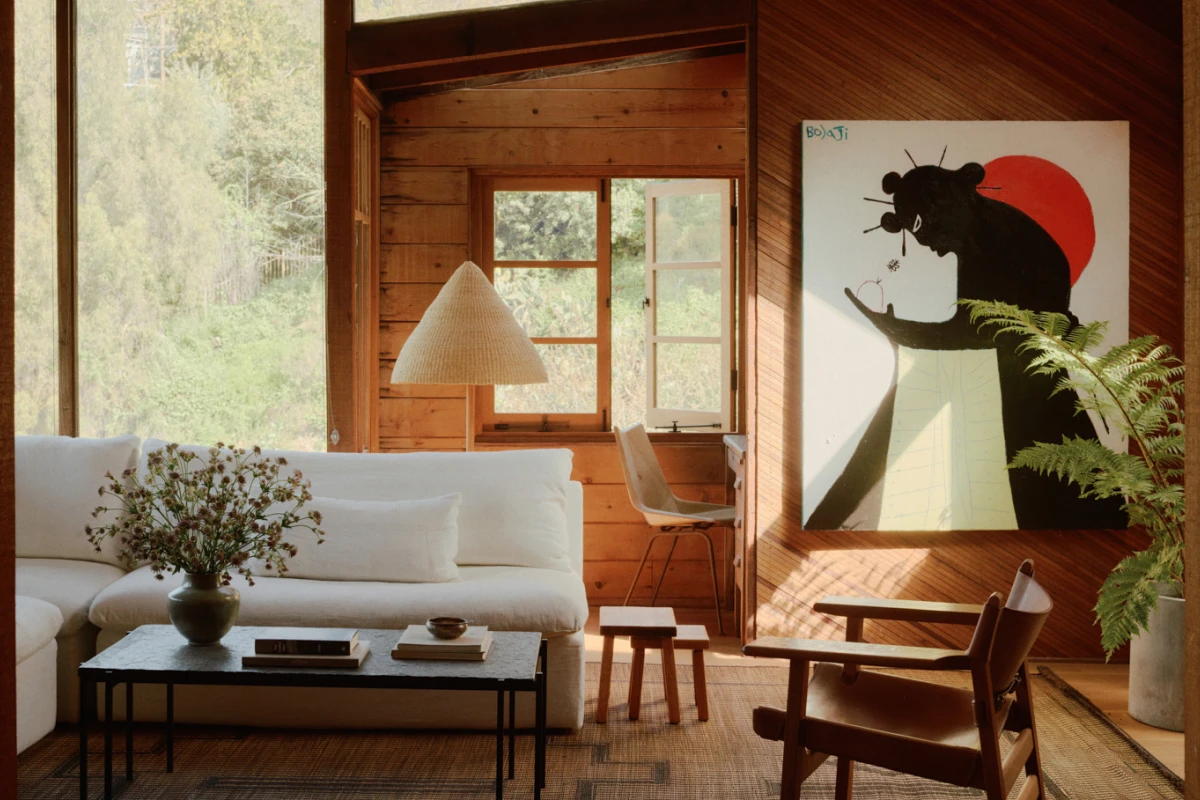
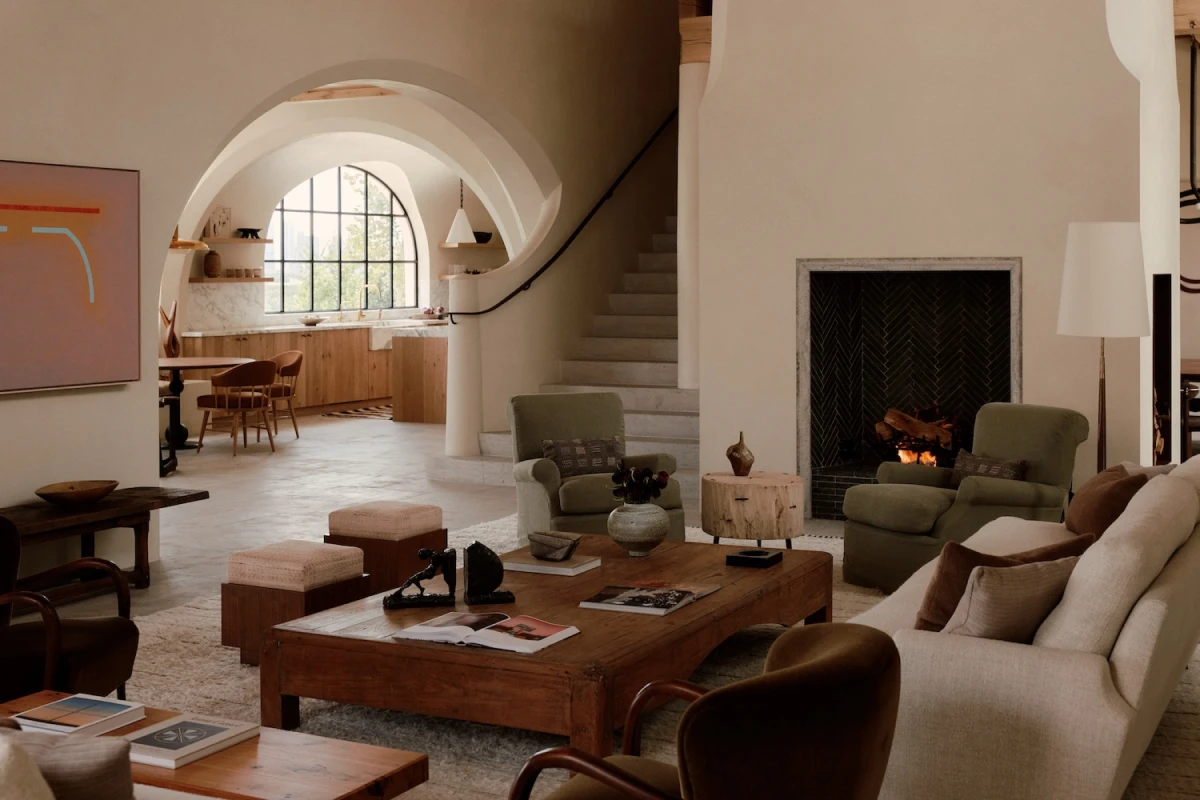
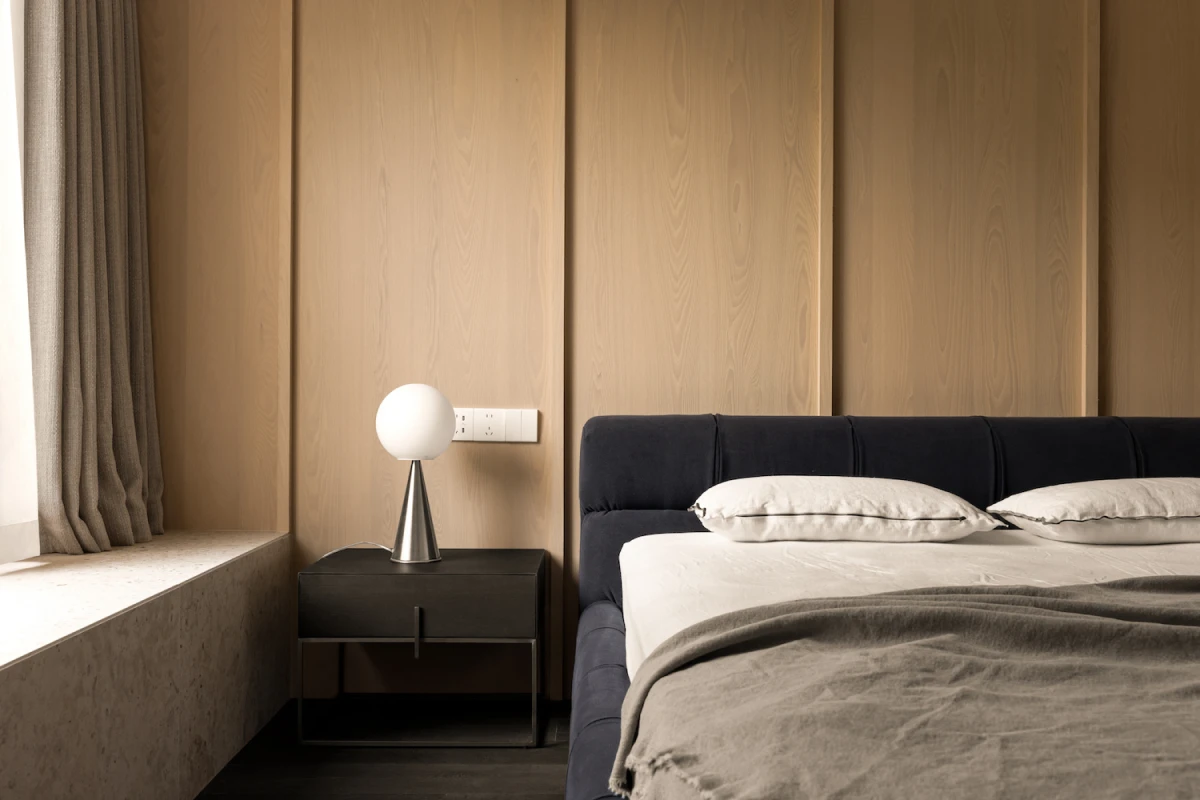
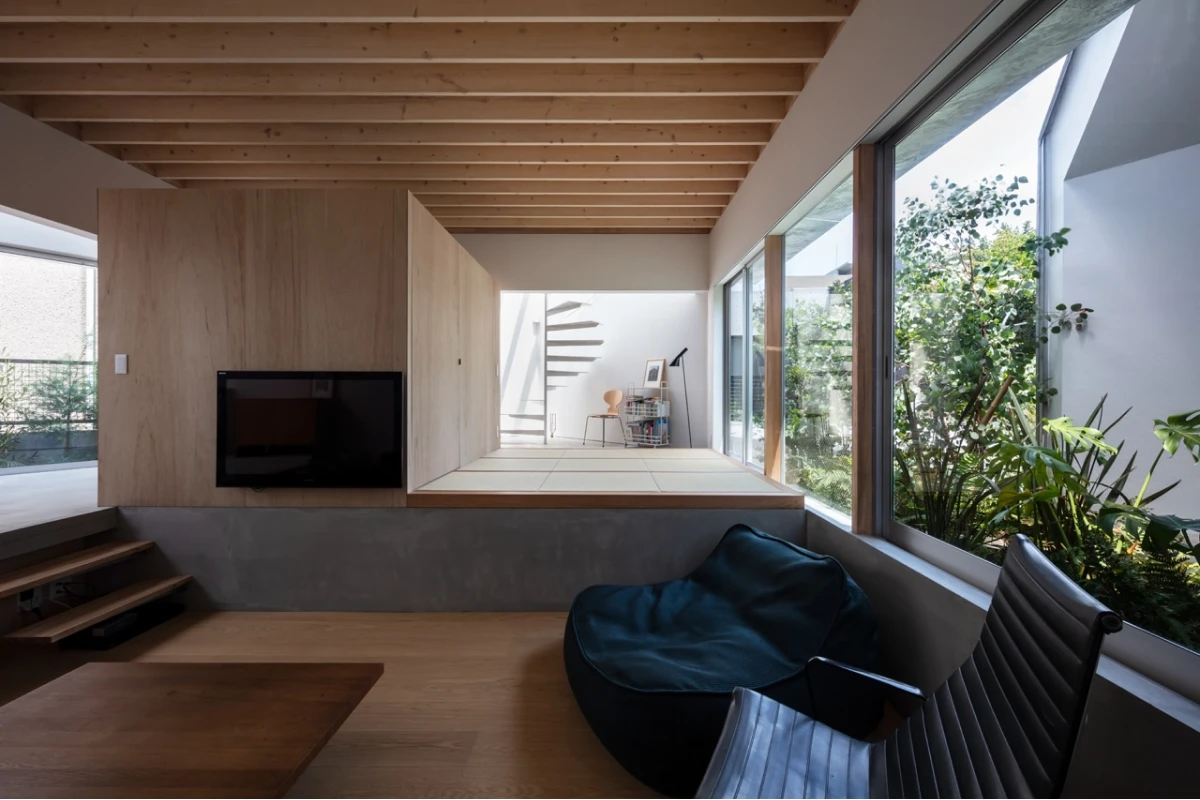
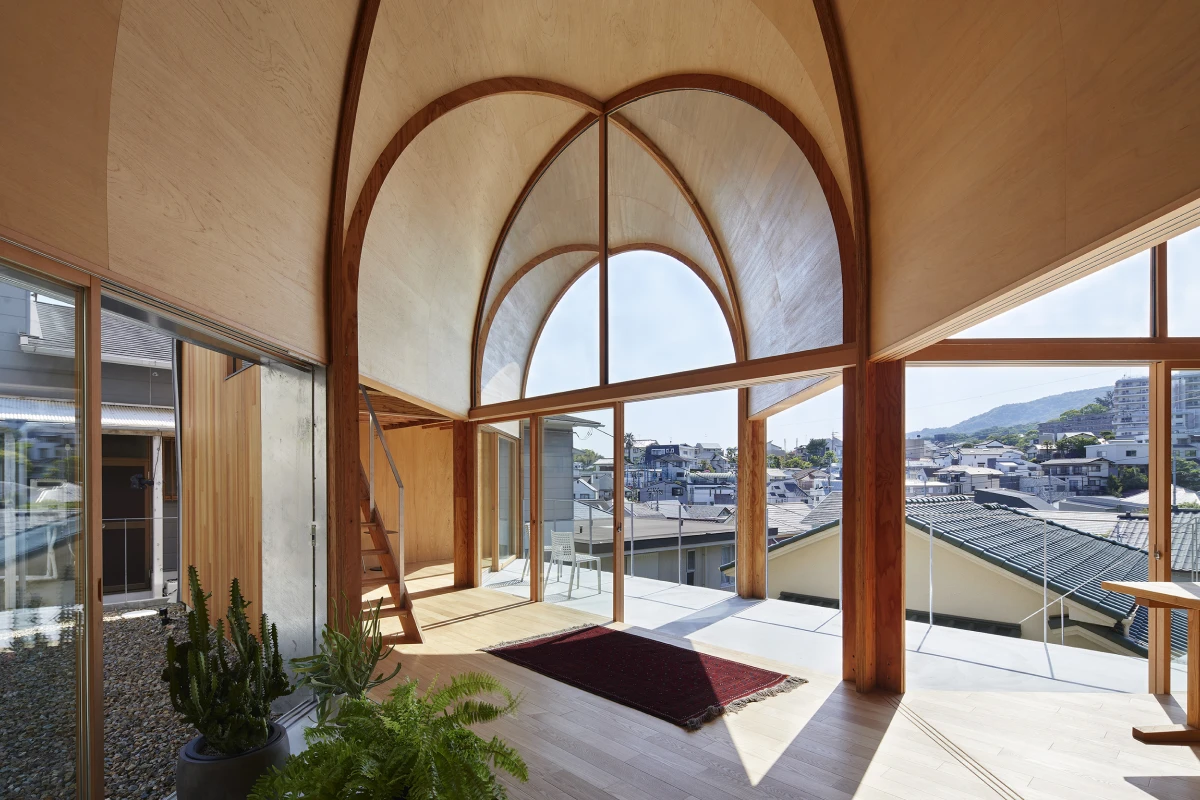
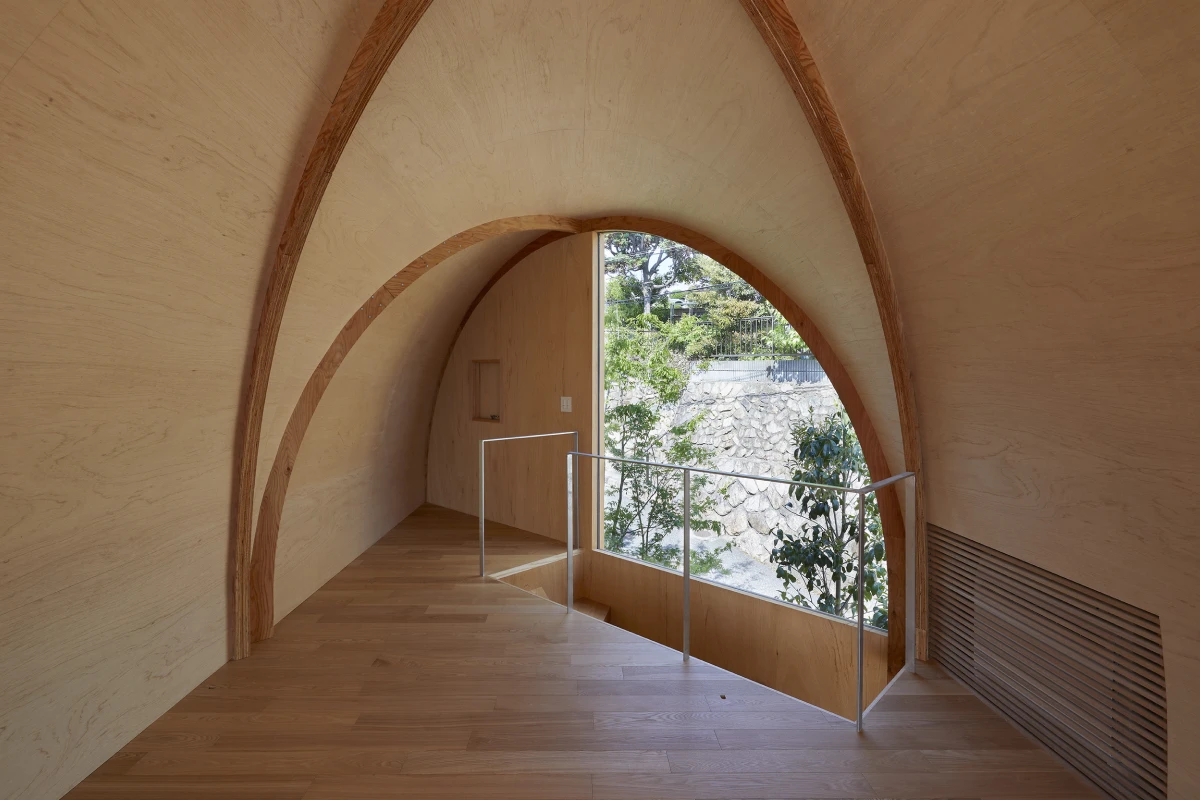
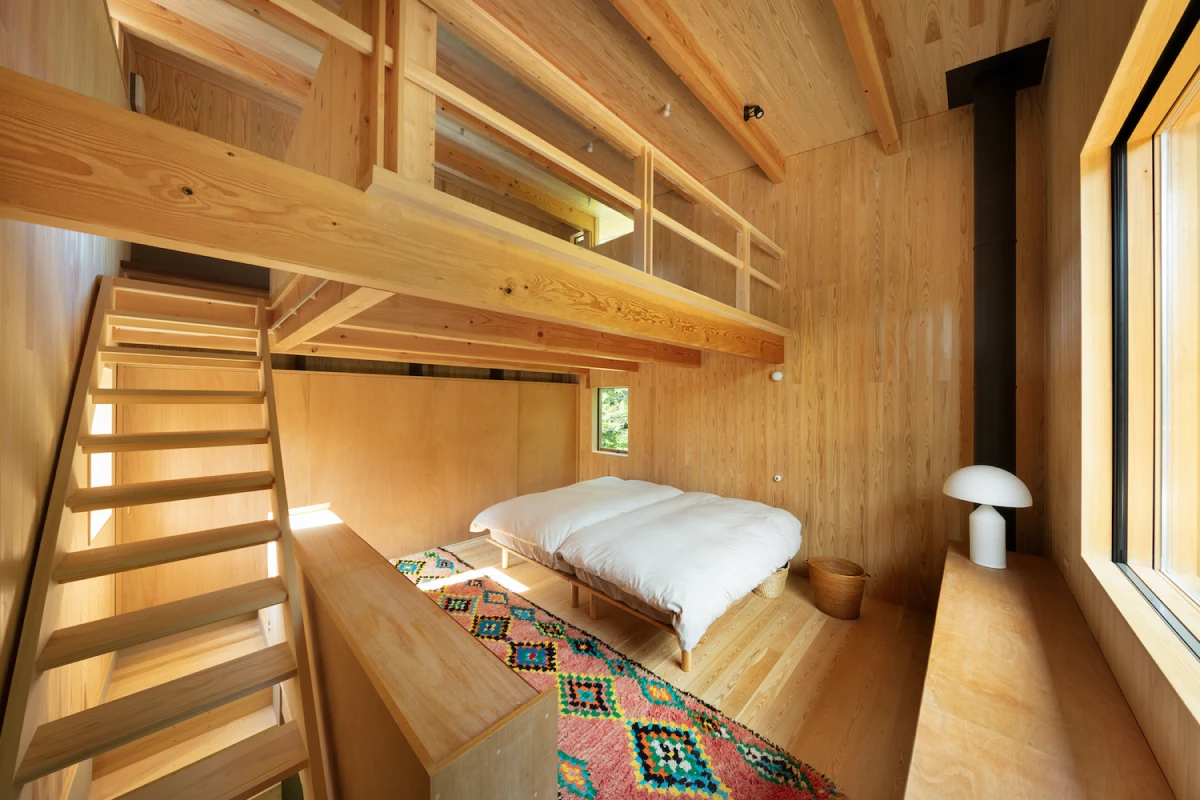
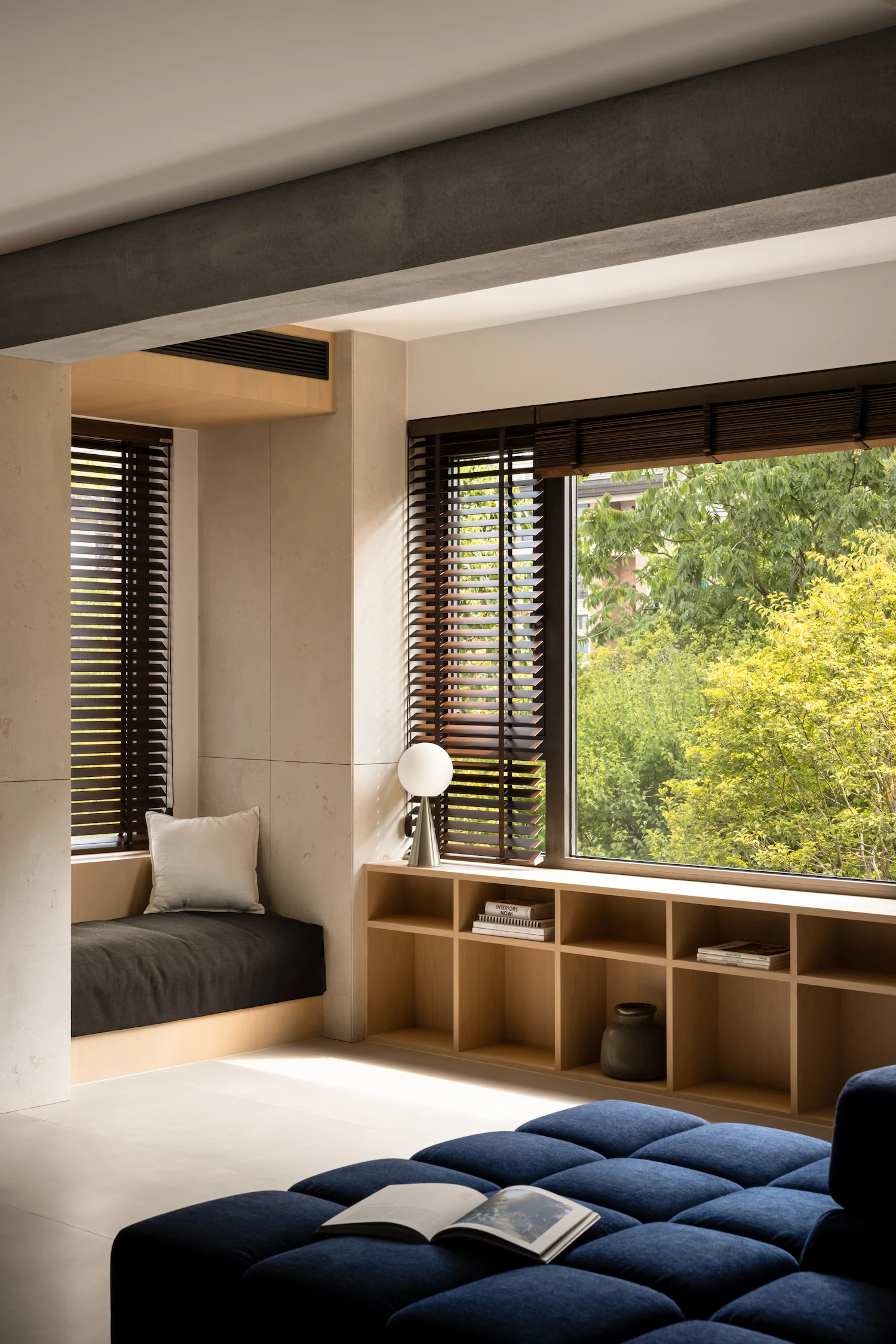
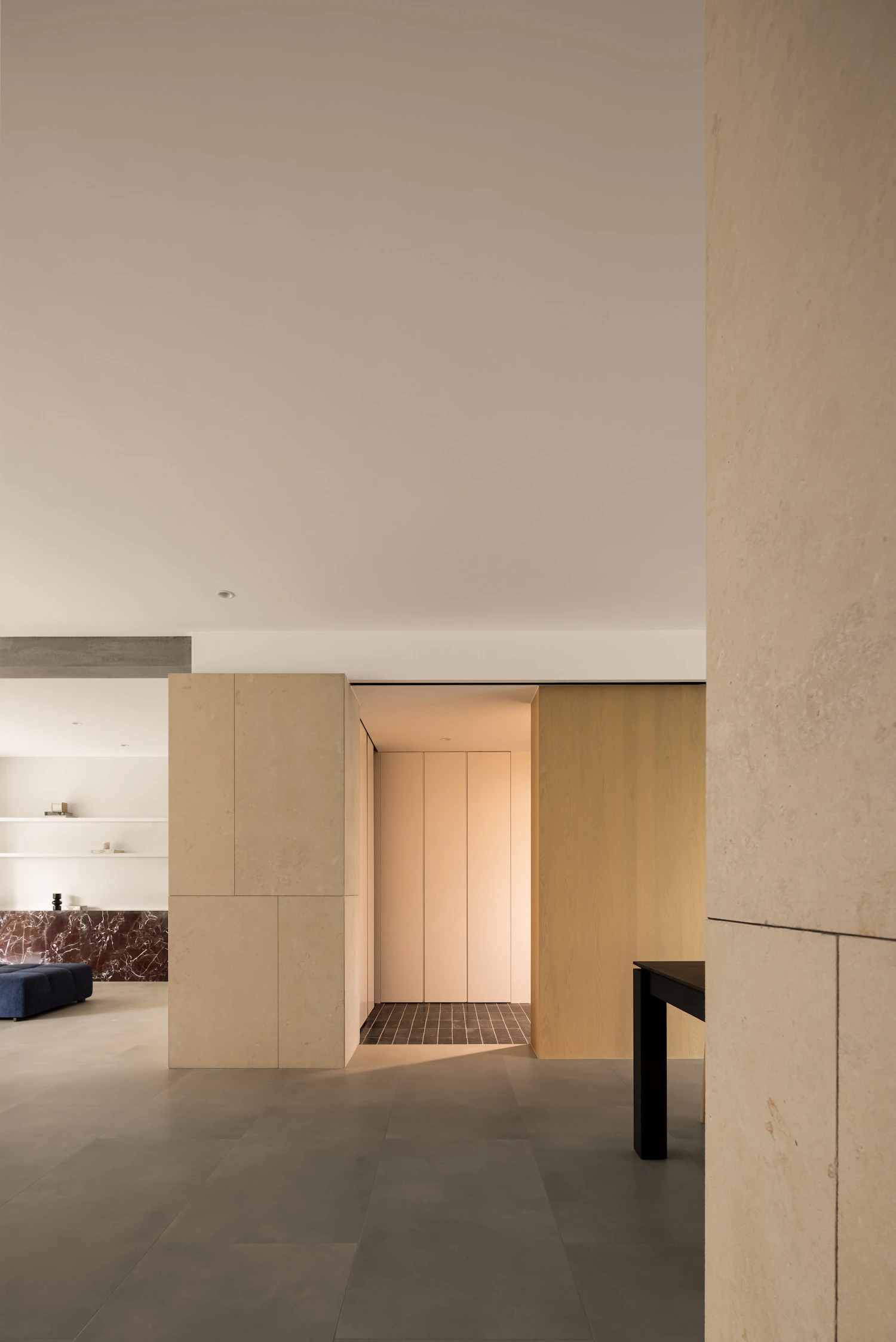
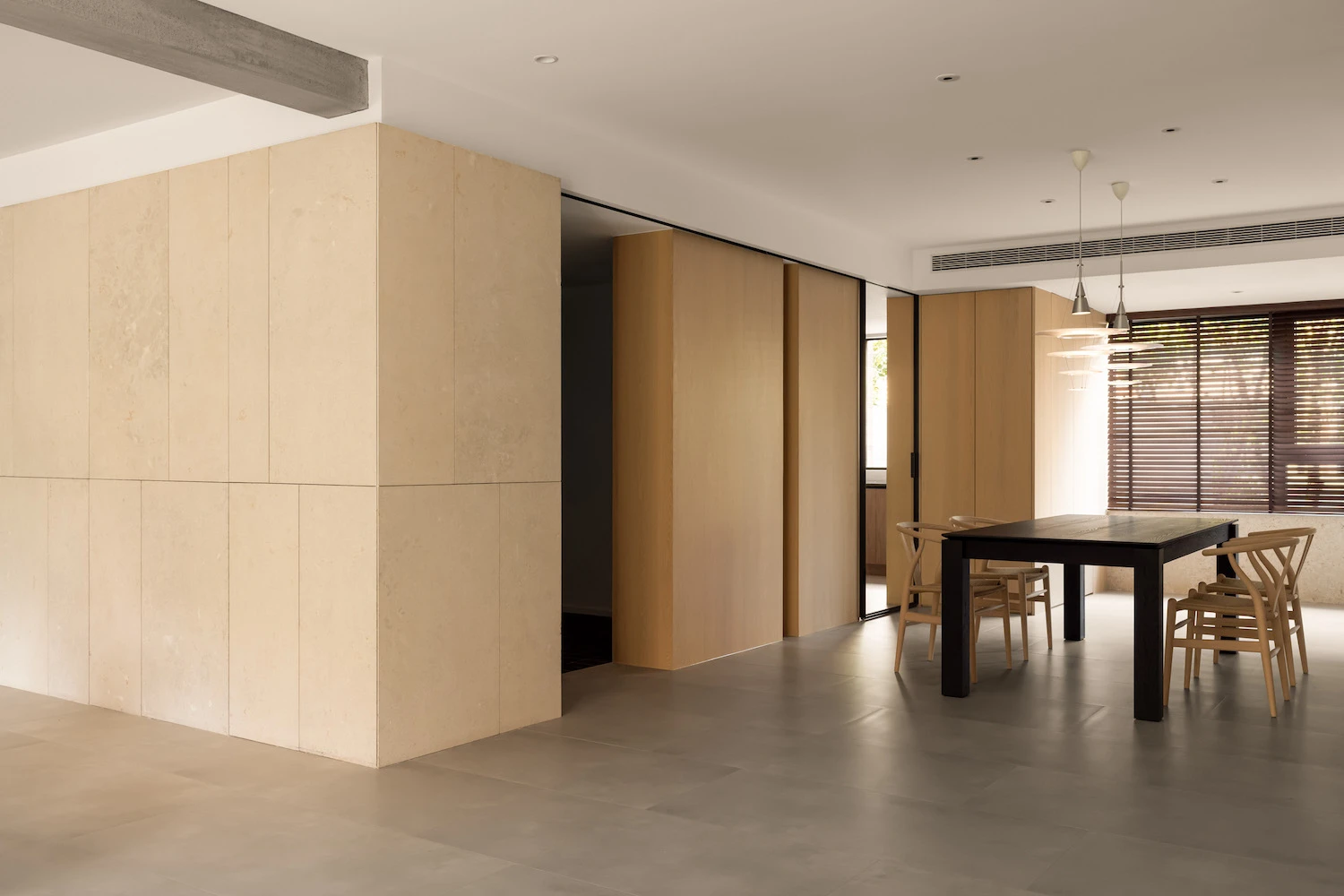
The architects opened the interior to connect with the surrounding landscape. Large openings and minimal partitions allow natural light to move through the spaces throughout the day. Materials and finishes emphasize the transition between interior and exterior.
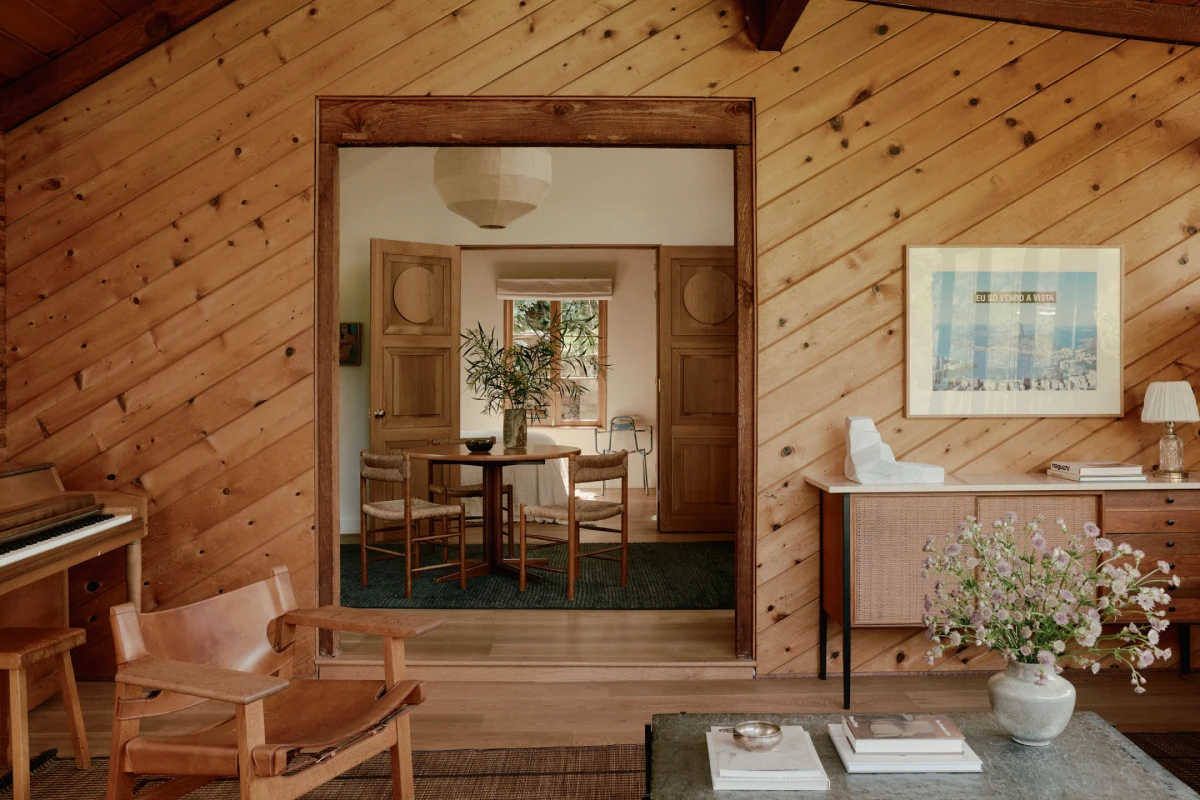
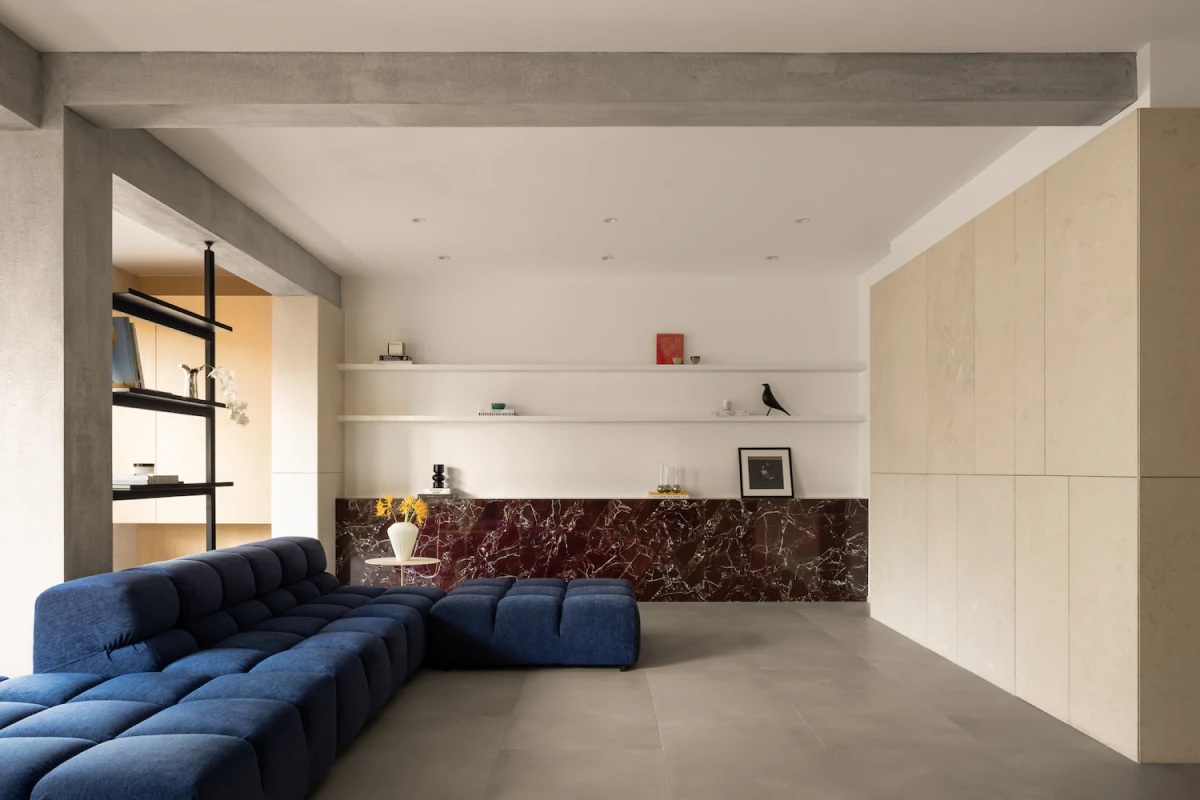
The redesign prioritizes spatial flow over compartmentalization. Rooms connect visually and physically, creating flexibility in how the house can be used. The approach reflects DNA's focus on integrating buildings with their settings rather than treating them as separate objects.
Liangzhu's cultural history informed the project's restraint. The architecture responds to the site's district context through open plans, natural materials, and large windows that pull the garden into the interior.








Read Next